
Coming Full Circle
By Sue Knight, The Aftershock Project.
Growing up, I did not have the language for much of what I was witnessing around me.
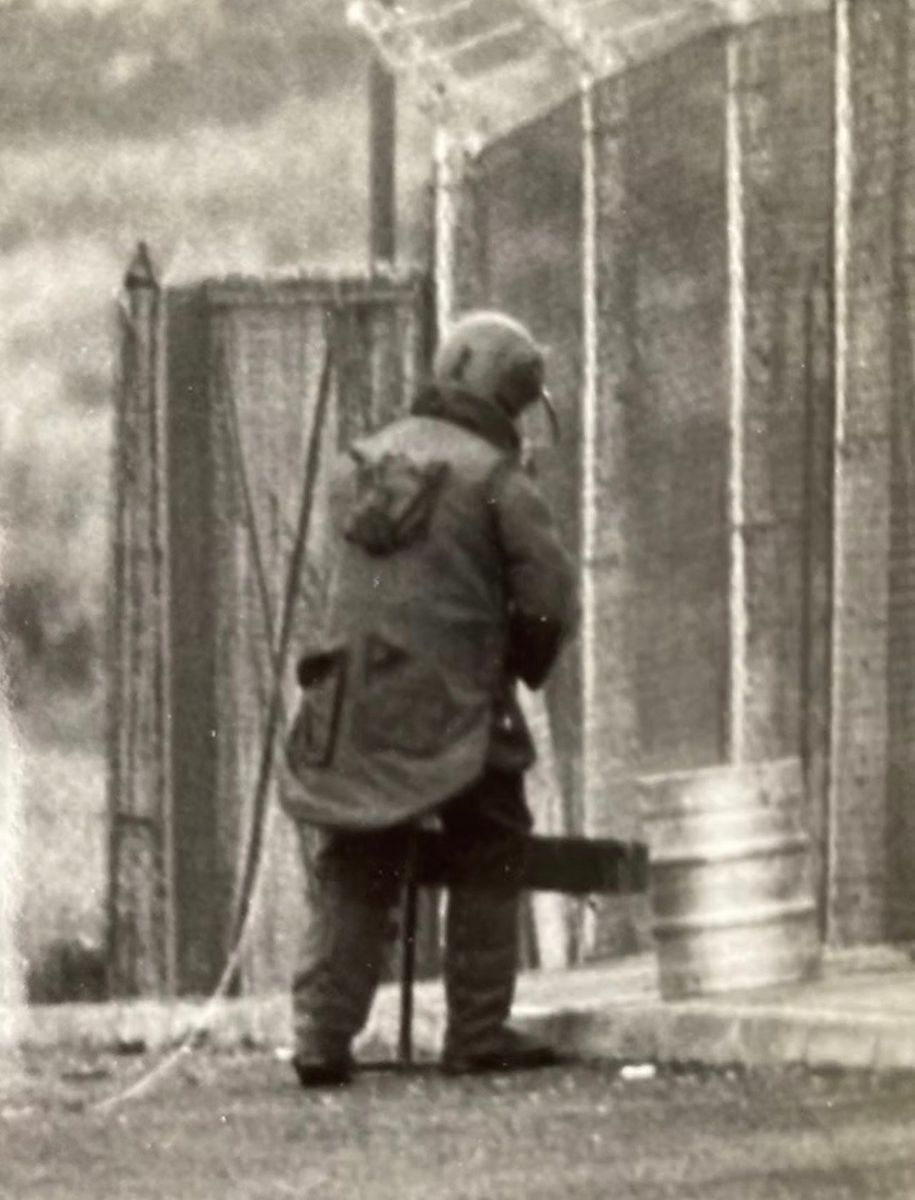
I grew up in an Armed Forces family. My father served as a bomb disposal operator in Northern Ireland, my mother served, and later my brother also deployed overseas. Like many military families, we simply lived it. The routines, the moves, the long periods of separation, the silences and the adaptations that became normal because they were normal to us.
One memory has stayed with me throughout my life. Alcohol was often part of military culture and life around the Armed Forces community. But after my parents separated and my Dad unexpectedly found himself raising me and my brother on his own, it seemed to take on a different role in our home.
I remember going to bed early while my Dad sat downstairs alone drinking. He had spent more than two decades in the Army and had experienced things I was far too young to understand. Looking back, I can see that he was carrying a great deal, but at the time all I knew was that someone I loved seemed to be in pain and that I didn’t know how to help.
As a child, I remember not wanting him to suffer. I remember seeing his heartbreak but not knowing what to do with it. I knew something was difficult, but I did not have the language to understand what I was seeing or what was happening inside the adults around me.
Looking back now, I can see that this confusion came at a cost. Not because anybody lacked love or good intentions, but because none of us, including my Dad, fully understood what was happening. As a family, we simply did not have the language or awareness to make sense of what we were experiencing. We carried on as best we could with the understanding we had at the time.
As I grew older, and perhaps not entirely by chance, I found myself working in alcohol treatment services. Looking back, I can see that I was once again surrounded by people trying to cope with difficult experiences, relationships and circumstances. It was there that I found myself returning to the same questions again and again.
How do people adapt to difficult environments? What happens when those environments shape the way people think, feel and relate to others? What happens when people leave those environments but continue carrying some of those adaptations with them?
Over time, I came to understand that many of the responses I had witnessed in my Dad and myself were not signs of weakness or failure. They were intelligent adaptations to extraordinary circumstances. The problem was often not the adaptation itself, but what happened when people were left to navigate that alone.
Perhaps this is where my lifelong curiosity began.
Much of my adult life has been spent trying to understand human behaviour, relationships, wellbeing and community. Looking back, I sometimes wonder whether I was trying to make sense of my father’s story, my own story and the stories of so many other families like ours.
What I have learned is that suffering often grows in silence. Yet understanding, connection and compassion can change how that suffering is carried.
Today, that understanding sits at the heart of my work through The Aftershock Project, my involvement in Armed Forces and veteran initiatives, and my developing research within the bomb disposal community. These are not separate interests. They are all expressions of the same question that has followed me throughout my life.
How do we help people feel seen?
How do we help people understand what has happened to them?
How do we create communities where people do not have to carry their struggles alone?
I do not pretend to have the answers. If anything, the older I get, the more I value curiosity, listening and human connection. But I have come to see a silver lining in my own journey.
The experiences that once left me confused and searching for answers have also given me a sense of purpose.
If there is one thing I hope to contribute, it is this: helping to create the kinds of conversations, communities and support that I wish had existed when I was growing up.
Spaces where people can make sense of their experiences, feel understood, and know they do not have to carry everything on their own.
Perhaps that is what my restorative story means to me: finding meaning in my own experiences and using that understanding to help others feel seen, understood and a little less alone.