
Portsmouth Terraced
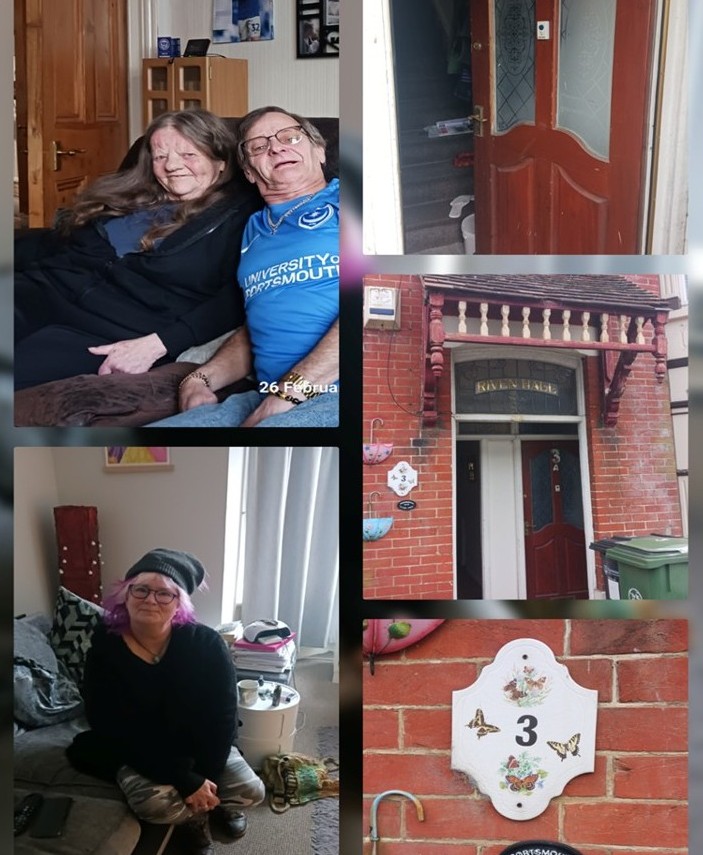
By Nadiya, Portsmouth Mediation Service.
The terraced house had once been a family home before being divided into two rented flats. Poor soundproofing meant the building carried noise constantly. Every footstep upstairs echoed below, while conversations downstairs travelled clearly through the ceilings and walls.
Upstairs lived a domestic abuse survivor and family member who had rented the property for four years. Downstairs, a semi-retired couple had lived there for over a decade and had repeatedly asked the landlord to address the lack of soundproofing. Nothing changed.
At first, the conflict seemed minor. Bangs on the ceiling, louder music in response, tense comments on the stairs. Over time, assumptions replaced communication.
“They’re doing it on purpose.”
“They don’t care.”
Following a late-night incident involving the police, both households felt angry, frightened, and exhausted. Threats were made, but beneath the anger sat something more vulnerable: people who no longer felt safe in their own homes.
During restorative mediation, both parties arrived guarded and defensive. However, as each person spoke uninterrupted, understanding slowly began to replace assumption. The downstairs couple described years of disrupted sleep and frustration, while the upstairs tenant explained the exhaustion and hyper-vigilance she experienced as a result of both her personal experiences and living situation.
The turning point came when both sides realised how much the other could hear and how little control either had over the building itself. The conflict shifted from being about “bad neighbours” to people struggling within an environment that had failed them both.
The housing conditions remained unchanged, but the relationship changed significantly. Months later, they were able to speak directly about problems, take in parcels for one another, and interact with warmth rather than hostility.
The experience demonstrated that restorative practice does not remove conflict entirely, but it can create the conditions for understanding, dignity, and human connection. Often, people are not trying to cause harm; they are responding to stress, fear, exhaustion, or feeling unheard. When given safe spaces to listen and be listened to, people are often far more capable of working together than conflict initially suggests.